

 Understanding E-E-A-T is crucial for improving your website’s visibility on Google. E-E-A-T stands for Experience, Expertise, Authoritativeness, and Trustworthiness, and it’s a key factor in Google’s search rankings.
By focusing on SEO best practices that align with E-E-A-T, you can significantly enhance your website’s credibility and ranking. This involves creating high-quality, authoritative content that showcases your expertise and provides value to your users.
Key Takeaways
- Understand the principles of E-E-A-T and its importance in SEO.
- Improve your website’s content to reflect experience and expertise.
- Enhance authoritativeness by citing credible sources.
- Build trustworthiness through transparent and accurate information.
- Apply these strategies to boost your Google search rankings.
What is E-E-A-T and Why It Matters for SEO
E-E-A-T, or Expertise, Experience, Authoritativeness, and Trustworthiness, is a set of guidelines that Google uses to evaluate content quality. According to Google’s guidelines, E-E-A-T is crucial for determining the quality of content, especially for websites that fall under the category of Your Money or Your Life (YMYL). This means that websites dealing with financial, medical, or legal information must adhere to these guidelines to ensure they provide reliable and trustworthy content.
The Evolution from E-A-T to E-E-A-T
The concept of E-A-T (Expertise, Authoritativeness, and Trustworthiness) was first introduced by Google in 2014 as part of its Search Quality Rater Guidelines. Over time, Google recognized the need to emphasize the importance of first-hand experience in content creation, leading to the evolution of E-A-T into E-E-A-T. This update signifies Google’s commitment to providing users with content that is not only accurate and trustworthy but also created by individuals with practical experience in the subject matter.
How Google Uses E-E-A-T in Search Rankings
Google uses E-E-A-T as a critical factor in its search ranking algorithm to ensure that high-quality content is prioritized in search results. By evaluating the expertise, experience, authoritativeness, and trustworthiness of content, Google aims to provide users with relevant and reliable information. Websites that demonstrate strong E-E-A-T signals are more likely to rank higher in search results, making it essential for SEO strategies to focus on building these qualities.
Understanding and implementing E-E-A-T guidelines is vital for anyone looking to improve their website’s visibility on Google. By focusing on creating high-quality, user-centric content, website owners can enhance their E-E-A-T signals and improve their search rankings.
Understanding E-E-A-T in SEO: The Four Pillars
The E-E-A-T framework offers a comprehensive guide to SEO success by focusing on four essential pillars. Understanding and implementing these elements can significantly improve your website’s credibility and search ranking.
Expertise: Demonstrating Subject Knowledge
Demonstrating expertise signals is crucial for establishing your website as a reliable source of information. This involves creating content that showcases in-depth knowledge of the subject matter. Authors should provide accurate and up-to-date information, supported by credible sources.
Experience: Showcasing First-Hand Knowledge
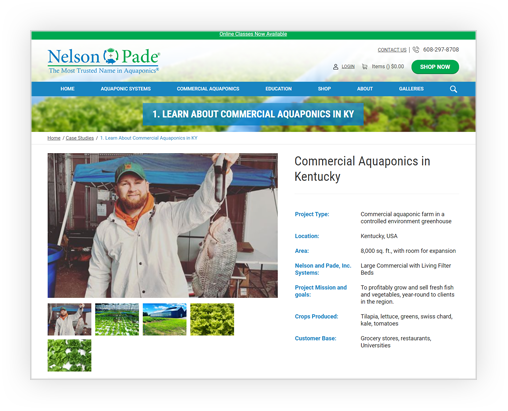
Experience is about showcasing first-hand knowledge or practical experience related to the content. This can be achieved by incorporating real-life examples, case studies, or personal anecdotes that add depth to the information being presented. First-hand experience lends credibility to the content and makes it more relatable to the audience.
Authoritativeness: Establishing Industry Recognition
Authoritativeness in SEO refers to the recognition of your website as an authoritative source within your industry. This can be established through high-quality backlinks from reputable sites, mentions in industry publications, and contributions to authoritative forums or discussions.
Trustworthiness: Building Credibility and Safety
Building trustworthiness involves ensuring that your website is secure, transparent, and reliable. This includes implementing HTTPS, having clear contact information, and maintaining a positive online reputation. Trustworthiness is fundamental to making users feel safe when interacting with your site.
| E-E-A-T Pillar | Description | SEO Impact |
|---|---|---|
| Expertise | Demonstrating subject knowledge through accurate and up-to-date content. | Improves credibility and relevance. |
| Experience | Showcasing first-hand knowledge or practical experience. | Enhances relatability and authority. |
| Authoritativeness | Establishing recognition as an authoritative source. | Boosts industry standing and backlink quality. |
| Trustworthiness | Ensuring website security, transparency, and reliability. | Increases user trust and safety. |
How Google Evaluates E-E-A-T on Your Website
Understanding how Google assesses E-E-A-T on your website is vital for SEO success. Google’s evaluation process involves various factors that determine the credibility and reliability of your content.
Quality Rater Guidelines and E-E-A-T
Google’s Quality Rater Guidelines provide insight into how E-E-A-T is evaluated. These guidelines help raters assess the quality of content based on expertise, experience, authoritativeness, and trustworthiness. The guidelines emphasize the importance of high-quality content that demonstrates expertise in the subject matter.
The guidelines are not a direct ranking factor but serve as a framework for understanding what Google considers high-quality content. By following these guidelines, you can improve your website’s E-E-A-T and potentially enhance your search rankings.
Algorithmic Signals That Indicate Strong E-E-A-T
Google uses various algorithmic signals to evaluate E-E-A-T. These signals can be categorized into on-page and off-page signals.
On-Page Signals
On-page signals include:
- Content quality and relevance
- Author credentials and expertise
- Structured data implementation
- Mobile-friendliness and page speed
These signals help Google understand the expertise and authoritativeness of your content.
Off-Page Signals
Off-page signals include:
- Backlinks from authoritative sources
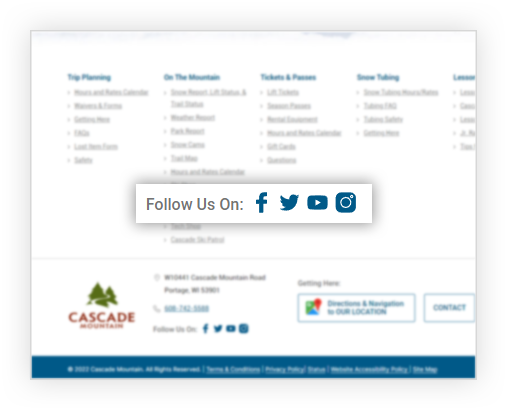
- Social signals and online mentions
- User engagement and reviews
These signals contribute to your website’s trustworthiness and authoritativeness.
Practical Strategies to Improve Expertise Signals
Expertise signals play a vital role in determining your website’s credibility and search engine ranking. By focusing on practical strategies to enhance these signals, you can significantly improve your site’s visibility and trustworthiness in the eyes of both users and search engines.
Creating In-Depth, Accurate Content
To demonstrate expertise, it’s essential to create comprehensive, well-researched content that addresses the needs of your audience. This involves:
- Conducting thorough research on the topic
- Providing detailed explanations and examples
- Keeping content up-to-date with the latest developments
By doing so, you not only showcase your knowledge but also provide value to your readers.
Showcasing Author Credentials and Qualifications
Highlighting the credentials and qualifications of your content creators can significantly boost expertise signals. This can be achieved by:
- Including author bios that detail relevant experience and qualifications
- Displaying credentials, such as professional certifications or academic degrees
- Linking to reputable sources that validate the author’s expertise
By showcasing author expertise, you build trust with your audience and improve your site’s credibility.
Implementing Structured Data for Expertise
Structured data, particularly schema markup, can enhance how search engines understand your content and its relevance. This includes:
Schema Markup for Authors
Using schema markup to highlight author credentials can help search engines recognize the expertise behind your content. For example, you can use the Person or Author schema to provide details about your authors.
Schema Markup for Content
Applying schema markup to your content can provide search engines with additional context about its relevance and accuracy. This can include using schema types like Article, BlogPosting, or HowTo to structure your content effectively.

By implementing these strategies, you can improve your website’s expertise signals, enhancing its credibility and search engine ranking. Remember, the key is to provide high-quality, accurate content and to clearly demonstrate the expertise of your authors.
Building Experience Signals for Better Rankings
Incorporating experience signals into your SEO strategy can lead to improved search engine rankings. Experience signals help Google understand that your content is based on real-world knowledge and hands-on experience, making it more relevant and trustworthy for users.
Incorporating First-Hand Experience in Content
One effective way to build experience signals is by incorporating first-hand experience into your content. This can be achieved by sharing personal anecdotes, lessons learned from real-world applications, or insights gained from hands-on involvement in your field. For instance, if you’re writing about travel destinations, including your own travel experiences can add authenticity and depth to your content.
Example: A travel blogger sharing their personal experiences visiting exotic locations, including practical tips and insights gained from their journeys.
Using Case Studies and Real Examples
Using case studies and real examples is another powerful method to demonstrate experience. By presenting concrete instances of how a concept or solution has been successfully applied, you can provide tangible evidence of your expertise. This not only enhances credibility but also helps readers understand complex concepts better.
Case Study Example: A digital marketing agency could publish a detailed case study on how they improved a client’s search engine rankings through a specific SEO strategy, including metrics and outcomes.
Leveraging User-Generated Content and Reviews
User-generated content (UGC) and reviews are valuable resources for building experience signals. They provide fresh perspectives and real-world feedback on products or services, enhancing the overall richness of your content.
Moderating and Highlighting Quality UGC
To effectively leverage UGC, it’s crucial to moderate and highlight high-quality content. This involves ensuring that the UGC is relevant, accurate, and adds value to your main content. By showcasing quality UGC, you can demonstrate a more comprehensive understanding of your topic.
Responding to User Feedback
Responding to user feedback is also essential. It shows that you value your users’ input and are committed to providing a good experience. This interaction can further enhance your experience signals by demonstrating engagement and responsiveness.
| Experience Signal | Description | Example |
|---|---|---|
| First-Hand Experience | Sharing personal experiences or insights gained from real-world involvement. | A travel blogger sharing their travel experiences. |
| Case Studies | Presenting detailed analyses of successful applications or projects. | A digital marketing agency publishing a case study on improving SEO rankings. |
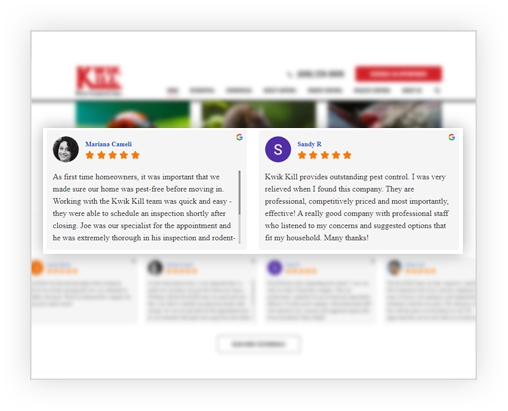
| User-Generated Content | Leveraging content created by users, such as reviews or testimonials. | Highlighting customer reviews on a product page. |
Enhancing Authoritativeness in Your SEO Strategy
In the realm of SEO, authoritativeness is a critical factor that can make or break your online presence. As search engines continue to evolve, establishing your website as an authoritative source has become more important than ever. Authoritativeness in SEO is about demonstrating expertise and credibility in your niche, which in turn, can significantly boost your search engine rankings.

Building a Strong Backlink Profile
A robust backlink profile is foundational to establishing authoritativeness. When reputable sites link back to your content, it signals to search engines that your website is a trusted source of information. To build a strong backlink profile, focus on creating high-quality, linkable content that others will want to reference. This could include in-depth guides, original research, or insightful analysis.
Guest blogging on respected industry sites is another effective strategy. By contributing valuable content to other reputable sites, you not only gain exposure to new audiences but also earn valuable backlinks. Remember, the quality of backlinks matters more than quantity, so prioritize links from authoritative sites in your niche.
Earning Industry Recognition and Mentions
Earning mentions and recognition within your industry is a powerful way to boost your authoritativeness. This can be achieved by participating in industry events, conferences, and webinars, where you can showcase your expertise. Additionally, being cited or quoted in industry publications or other reputable websites can significantly enhance your credibility.
The key to success is to focus our conscious mind on things we desire not things we fear.” – Brian Tracy
Creating Authoritative Resource Pages
Developing authoritative resource pages is another strategy to enhance your website’s authoritativeness. This involves creating comprehensive and valuable resources that serve as go-to references for your audience.
Topic Clusters and Pillar Content
Implementing topic clusters and pillar content is an effective way to structure your resource pages. By creating a central “pillar” page that covers a broad topic in depth, and then linking to related “cluster” content that dives into specific subtopics, you can demonstrate a comprehensive understanding of the subject matter.
Comprehensive Guides and White Papers
Publishing comprehensive guides and white papers on complex topics can also establish your authority. These detailed documents showcase your expertise and provide significant value to your audience, making them more likely to cite your work and link back to your site.
Developing Trustworthiness Signals for Google
Building trust with your audience and Google is vital for a successful online presence. Trustworthiness is a cornerstone of a credible website, influencing how search engines rank your site. In this section, we’ll explore the key strategies for developing trustworthiness signals that can improve your website’s visibility and credibility.
Implementing Security Measures
Security is paramount for trustworthiness. One of the most critical security measures is implementing HTTPS. This not only secures your site but also assures visitors that their data is protected.
HTTPS Implementation
Switching to HTTPS is a straightforward process that involves obtaining an SSL certificate and configuring your server to use it. This step is crucial for protecting user data and for SEO, as Google favors HTTPS sites.
Privacy Policies and Terms of Service
Having clear and accessible privacy policies and terms of service is essential. These documents inform users about how their data is handled and provide transparency, which is key to building trust.
Transparent Contact Information and About Pages
Transparency is vital for trustworthiness. Providing clear contact information and a detailed About page helps users understand your business and its values.
Making it easy for users to get in touch with you or learn more about your business fosters a sense of reliability and openness.
Managing Online Reputation and Reviews
Your online reputation significantly impacts your trustworthiness. Managing reviews and feedback effectively demonstrates your commitment to customer satisfaction and service quality.
| Trustworthiness Factor | Importance Level | Action Items |
|---|---|---|
| HTTPS Implementation | High | Obtain SSL Certificate, Configure Server |
| Transparent Contact Info | Medium | Clear Contact Page, Accessible Info |
| Online Reputation Management | High | Monitor Reviews, Respond to Feedback |
By focusing on these trustworthiness signals, you can enhance your website’s credibility and improve its standing with Google. Trust is built over time through consistent effort and transparency, making it a long-term investment in your online presence.
Implementing E-E-A-T in SEO for YMYL Websites
The importance of E-E-A-T for YMYL sites cannot be overstated, as these websites have a significant impact on users’ lives and financial well-being. YMYL (Your Money or Your Life) websites, which include financial, medical, and legal content, are held to higher standards due to their potential to affect users’ health, financial stability, or safety.
Higher Standards for Financial, Medical, and Legal Content
YMYL websites face stricter E-E-A-T requirements because their content can have serious real-world consequences. For instance, misinformation on medical or financial topics can lead to harmful decisions. Google’s Quality Rater Guidelines emphasize the need for high-quality content on these sites, mandating that they demonstrate expertise, experience, authoritativeness, and trustworthiness.

Strategies for Meeting YMYL E-E-A-T Requirements
To meet the higher E-E-A-T standards, YMYL websites should adopt specific strategies. One effective approach is to utilize expert contributors and reviewers who are qualified in their respective fields. This enhances the credibility and reliability of the content.
Expert Contributors and Reviewers
Engaging experts in content creation and review processes ensures that the information is accurate, up-to-date, and trustworthy. For example, a medical website should have content reviewed by licensed healthcare professionals.
Citations and References
Providing citations and references from reputable sources is another crucial strategy. This not only supports the claims made in the content but also demonstrates a commitment to transparency and accountability. Proper citations help build trust with users and signal to Google that the content is reliable.
By implementing these strategies, YMYL websites can improve their E-E-A-T scores, leading to better search engine rankings and increased user trust.
Measuring and Monitoring Your E-E-A-T Progress
Measuring E-E-A-T progress helps in refining your SEO strategy. To effectively gauge your website’s performance, it’s crucial to track key metrics and utilize the right tools.
Key Metrics to Track E-E-A-T Improvements
To monitor E-E-A-T progress, focus on metrics that reflect expertise, experience, authoritativeness, and trustworthiness. Some key metrics include:
- Content quality and relevance
- Author credentials and recognition
- Backlink profile and industry mentions
- Website security and user trust indicators
Tools for Evaluating Your Website’s E-E-A-T
Various tools can help evaluate and improve your website’s E-E-A-T. These tools can be broadly categorized into SEO analysis tools and reputation monitoring tools.
SEO Analysis Tools
SEO analysis tools help in assessing your website’s overall SEO health, including E-E-A-T factors. Some popular tools include:
- Ahrefs
- SEMrush
- Moz
Reputation Monitoring Tools
Reputation monitoring tools are essential for tracking your online reputation, a critical aspect of trustworthiness. Examples include:
- Google Alerts
- Mention
- Brand24
By leveraging these metrics and tools, you can effectively measure and monitor your E-E-A-T progress, making informed decisions to enhance your SEO strategy.
Conclusion: Implementing E-E-A-T as a Long-Term SEO Strategy
As we’ve explored throughout this article, E-E-A-T is a crucial factor in determining your website’s search engine rankings. By focusing on expertise, experience, authoritativeness, and trustworthiness, you can significantly improve your online presence and drive more traffic to your site.
A successful long-term SEO strategy involves consistently demonstrating E-E-A-T across your website. This means creating high-quality, accurate content that showcases your expertise and experience, while also establishing your authority in your industry.
To achieve this, prioritize E-E-A-T implementation by regularly reviewing and refining your content, ensuring it meets the highest standards of quality and relevance. By doing so, you’ll be well on your way to improving your search engine rankings and maintaining a competitive edge in your industry.
By adopting a sustained effort to improve E-E-A-T, you’ll not only enhance your website’s visibility but also build trust with your audience, driving long-term success for your online presence.
FAQ
What is E-E-A-T, and why is it important for SEO?
E-E-A-T stands for Expertise, Experience, Authoritativeness, and Trustworthiness. It’s a crucial concept in Google’s search ranking algorithm, determining the quality of content and impacting a website’s visibility.
How does Google evaluate E-E-A-T on a website?
Google uses Quality Rater Guidelines to assess E-E-A-T, looking for algorithmic signals that indicate strong expertise, experience, authoritativeness, and trustworthiness, including on-page and off-page signals.
What are some practical strategies to improve E-E-A-T signals?
Strategies include creating in-depth, accurate content, showcasing author credentials, implementing structured data like schema markup, incorporating first-hand experiences, and leveraging user-generated content and reviews.
How can I enhance authoritativeness in my SEO strategy?
Building a strong backlink profile, earning industry recognition, and creating authoritative resource pages, such as topic clusters and comprehensive guides, can help establish authoritativeness.
What are the key metrics to track E-E-A-T improvements?
Key metrics include tracking changes in search rankings, organic traffic, and user engagement, as well as monitoring online reputation and reviews.
What tools can I use to evaluate my website’s E-E-A-T?
SEO analysis tools, such as Ahrefs and SEMrush, and reputation monitoring tools, like Google Alerts and Brand24, can help evaluate and improve E-E-A-T.
Are YMYL websites held to different E-E-A-T standards?
Yes, YMYL (Your Money or Your Life) websites, including those with financial, medical, or legal content, are held to higher E-E-A-T standards due to their potential impact on users’ lives.
How can I implement E-E-A-T as a long-term SEO strategy?
Focus on sustained efforts to improve expertise, experience, authoritativeness, and trustworthiness, regularly monitoring progress and adjusting strategies as needed.